Beyond the Romanticized Image: Rethinking the Farmer
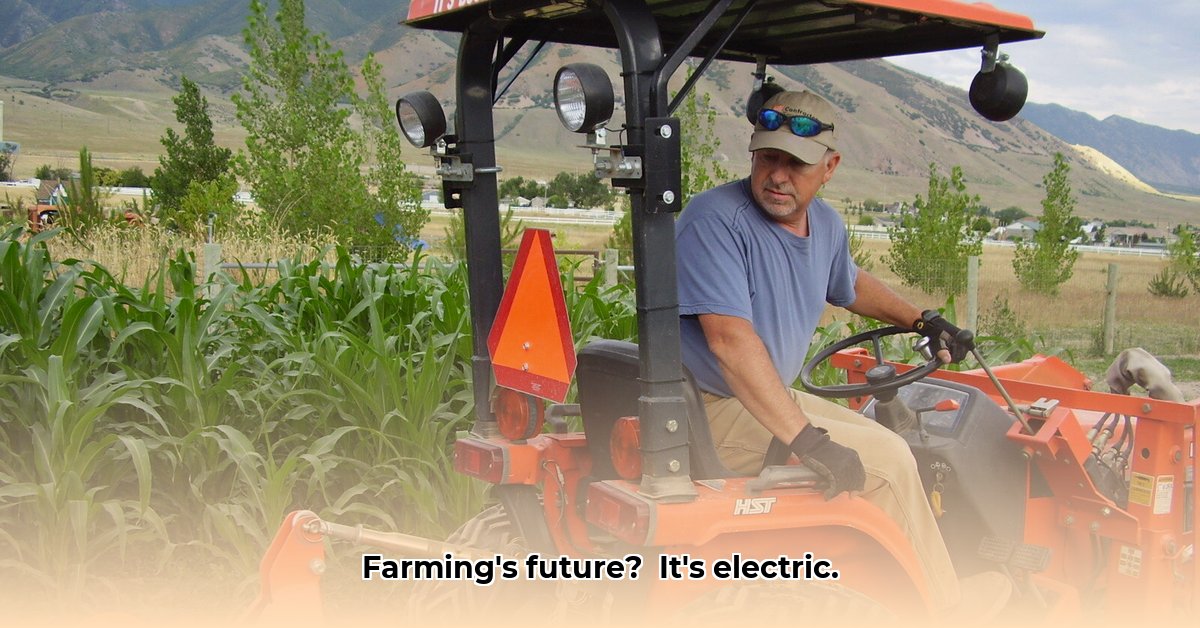
The enduring image of a lone farmer on a tractor, a staple of country music and popular culture, evokes independence, hard work, and a direct connection to the land. It's a powerful and appealing symbol. However, the reality of modern, sustainable agriculture is far more complex. It’s not a solitary endeavor but a sophisticated interplay of technology, collaboration, and environmental stewardship. This isn't about dismissing the iconic image; it's about updating its meaning for the 21st century. The idyllic, solitary farmer is being replaced by a more connected and technologically advanced operator. For those interested in restoring older models, check out restoration resources.
High-Tech Farming: It's Not Your Grandpa's Tractor Anymore
Sustainable agriculture today leverages technological advancements dramatically. Precision agriculture, for example, utilizes sensors, drones, and advanced data analytics – essentially GPS for crops – to optimize resource use. Farmers precisely target fertilizer and water application, maximizing yields while minimizing waste and environmental impact. This isn't just about bigger machinery; it's about data-driven decision-making. Farmers analyze soil conditions, weather patterns, and crop health to optimize planting, harvesting, and pest management. This precision reduces reliance on pesticides and fertilizers, creating a more profitable and environmentally responsible farming system. While some might argue this distances farmers from the land, it actually fosters a much deeper understanding and more effective management of the whole growing process. Isn't it remarkable how technology, often viewed as a disruptor, can become a partner in sustainable farming practices?
Teamwork Makes the Dream Work: The Collaborative Farm
Sustainable agriculture thrives on collaboration. Success hinges on cooperation among farmers, researchers, policymakers, and conscious consumers. It’s an ecosystem where every component is crucial. Sharing knowledge, resources, and best practices builds resilience in the food system, better equipping it to handle challenges such as climate change and market fluctuations. The modern farmer isn't isolated; they are part of a network, contributing vital data to studies and sharing their insights with peers and researchers. This collective approach transcends individual efforts, fostering a more robust and sustainable agricultural landscape. How can a network effect improve farming yields and resource management? Research suggests a significant increase in farm profitability and environmental sustainability.
Overcoming Obstacles: Challenges Facing Sustainable Agriculture
Despite the potential, significant obstacles persist. Smallholder farmers, often lacking access to technology, resources, and market opportunities, face considerable challenges. Addressing this requires focused support through affordable credit, technical assistance, and fair market prices. Striking a balance between innovative technologies and traditional methods is also vital. The goal isn't to replace age-old wisdom, but to integrate it with modern tools and techniques. The transition to sustainable agriculture isn’t without its hurdles. For example, some experts see technological advancements as key to food security, while others advocate for more holistic approaches emphasizing biodiversity and social equity. This ongoing discussion highlights the multifaceted nature of this significant challenge.
Climate Change and the Future of Farming
Climate change profoundly threatens food security. Increasingly extreme weather, unpredictable rainfall, and shifting growing seasons demand adaptation and innovation. Developing drought-resistant crops, optimizing water usage, and diversifying farming systems are crucial. The modern farmer is not just a skilled operator but a strategic planner, constantly adapting and mitigating the impacts of environmental change. This necessitates a profound shift in perspective, integrating climate modeling and meteorology into the farmer's skillset. What strategies can farmers employ to adapt to the unpredictable nature of climate change? Experts suggest diversifying crops, implementing water-efficient irrigation, and utilizing climate-resilient seed varieties.
A Roadmap to a Sustainable Future: Collaborative Action
Achieving a sustainable agricultural future requires a multifaceted strategy:
Farmers: Adopt precision agriculture, diversify crops, join cooperatives, participate in research, and advocate for supportive policies. Research shows that adopting precision agriculture can increase yields by up to 20%.
Researchers: Develop climate-resilient crops, advance research in soil health and water management, provide improved data analytics tools, and collaborate with farmers.
Policymakers: Invest in agricultural research and infrastructure, create financial incentives, and support farmer education and training, while also promoting fair trade and addressing the specific challenges faced by smallholder farmers.
Consumers: Reduce food waste, support local farmers and sustainable food systems, advocate for supportive policies, and make conscious choices about what foods they buy. Reducing food waste by 50% could significantly improve global food security.
The Evolving Image: A Shared Vision
The image of the "man on a tractor" remains resonant, but its meaning has expanded. Food security depends on a collective commitment to sustainable practices. This involves embracing innovation while respecting tradition, fostering collaboration, and adapting to climate change. It's not about abandoning the past, but building a future where farmers are empowered with knowledge, technology, and community support. The iconic image now represents not just individual resilience but a collective effort to feed the world sustainably.